
The biggest series in Rugby League got underway this weekend, with the Maroons and the Blues going to battle in Suncorp. It’s the 44th series between the two sides, and since 2020, the Queenslanders have held the slight upper hand, winning three of the five series. However, the Queenslanders were keen to bounce back after a 2-1 series loss last year, and with the first game in Brisbane, they would have fancied their chances. So what were the deciding events in the opening game of 2025?
Brave v Brawn: Exit Variation
One of the clear differences between Queenslanders and New South Wales was how they tried to escape any pressure. The Maroons brought a more expansive approach to the game, trying to target the Blues’ edge defence, putting them under pressure early in the set. This was clear from the very beginning of the game; take this example from the 4th minute of the game.
This might have been prompted by a poor early set with the 3rd play the ball occurring within the 20 metres. However, we can also see how New South Wales is presenting a weak picture on the edge. Mitchell Moses sits tight to the inside defender, worried about the lead shape, but this leaves the edge vulnerable with a two-on-two in a third of the pitch.

Ponga works out the back of the shape and gives an early pass to the outside runners. This preserves the space, stopping New South Wales from recovering. This gives Toia an outside leverage and stops Mitchell getting a clean double on winger Coates, giving the Marrons the upper hand.
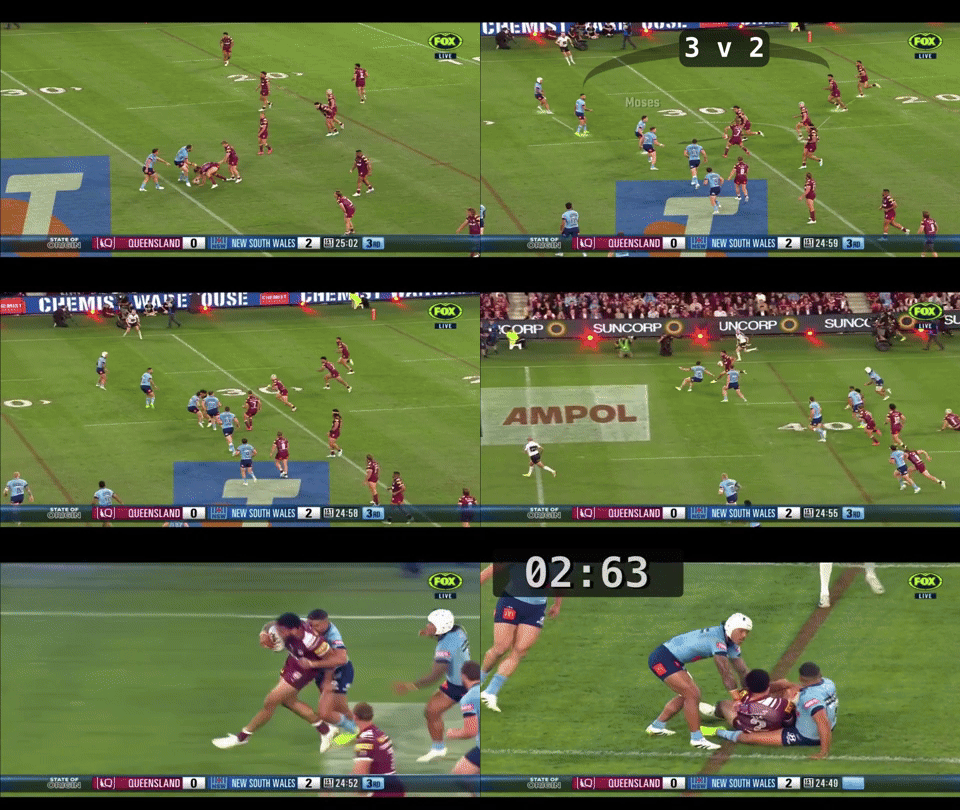
They show the same intent 11 minutes later, with the Queenslanders running from deep. Queensland approached the game with a plan of targeting Moses and isolating the edge defence. Again, using that lead shape, they create a 3 v 2 to attack the edge. A fast close from the Blues defence is still beaten by the hands of the Queenslanders. This leaves a chance for the Maroons to make the line break down the edge. A good catch-up from Moses helps to slow down the break while Mitchell finishes the tackle. Mitchell wins control on the floor, exhibiting the dark arts and slowing the ball down, giving the New South Wales defence a chance to regroup.
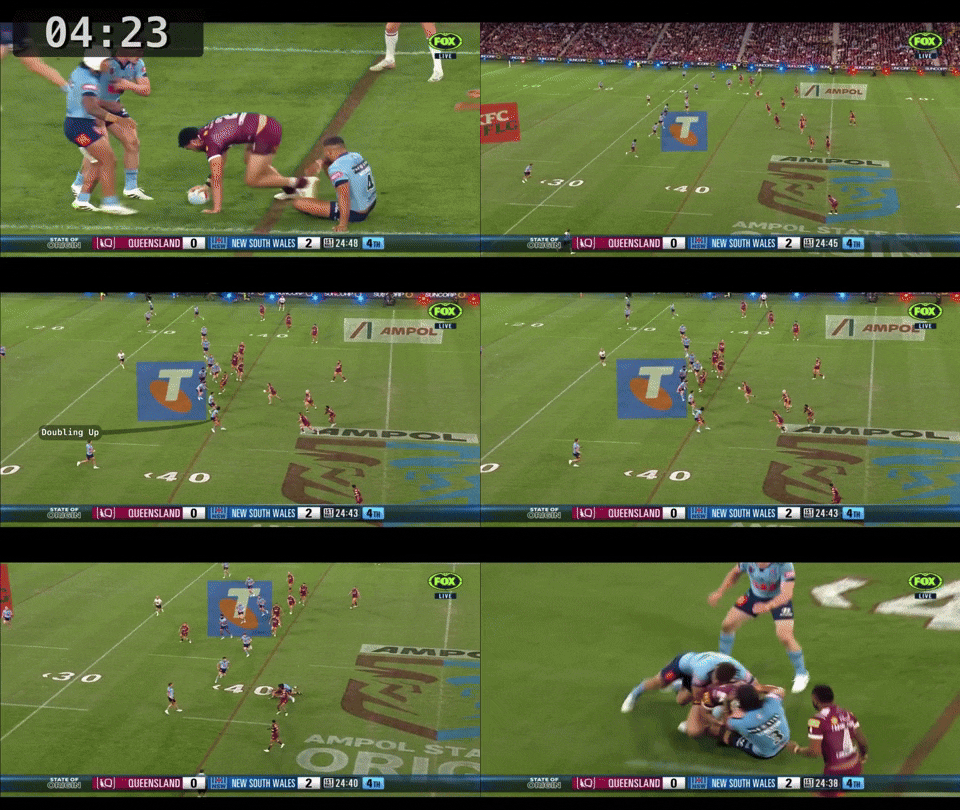
When they shift the ball to the far edge, the work Mitchell has done comes to fruition. Rather than attacking a disjointed line, the Blues have organised into a well-connected line with a clear understanding of their roles.
The time has given Crichton a chance to get the outside leverage on the Maroons’ shapes, allowing him to be more aggressive and pushing higher. The height of his defence allows him to cover the front door option before snapping on the back door option. While he is initially brushed off, Crichton regains his footing and can finish the job for the Blues with a strong second tackle.
While the Maroons looked to shift the ball on their exits, the Blues instead adopted a more direct approach. This often involved striking back into the space behind the previous play of the ball. In the example below, we can see how they manage to pick apart the different shoulder angles. Finding this hole gives them a front and gets them momentum.

This sequence from the 12th minute shows how they used these direct low-ball movement tactics to move the chains down the field. The first scoot from the tackle beats the front marker and gets on the front foot. Cleary’s is a strong carry, and the early momentum is critical for the Blues.
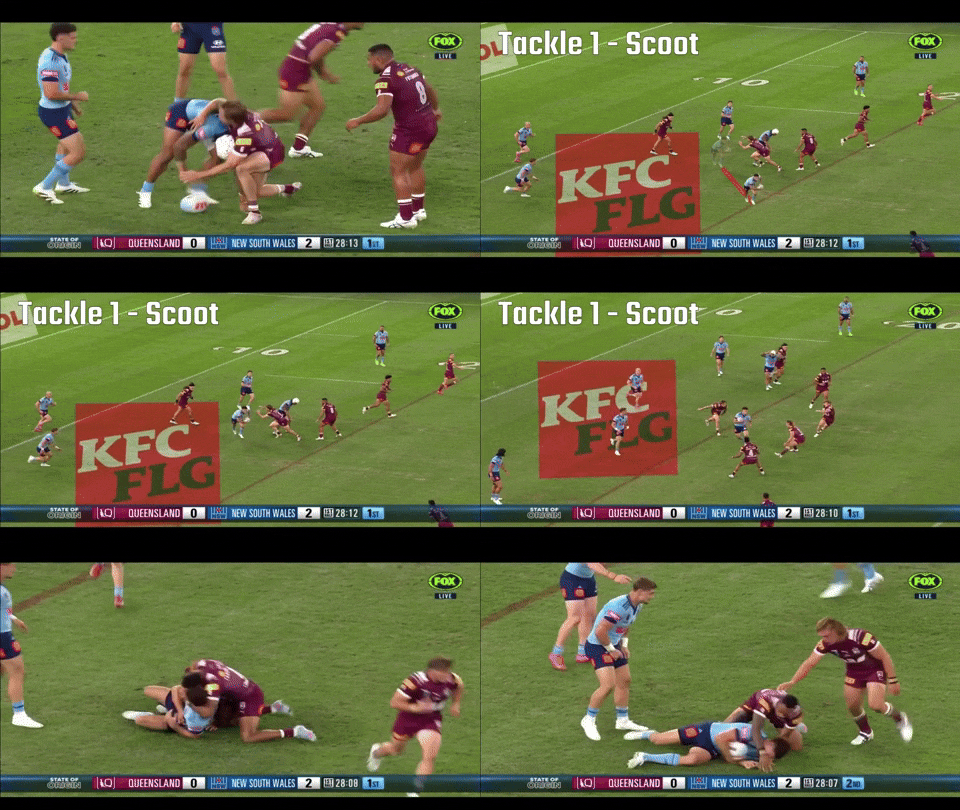
After the second tackle, Lomax takes it on himself to get momentum. The previous tackle has given the Blues the front foot, crucially, it forces the Queensland markers onto the back foot. This gives him the chance to break from the base, and he beats the two markers, fatiguing an additional two Queensland defenders. Cotter does get across from marker to be a third tackler, but we can see how the Blues have begun rolling down the field with their low-risk approach.
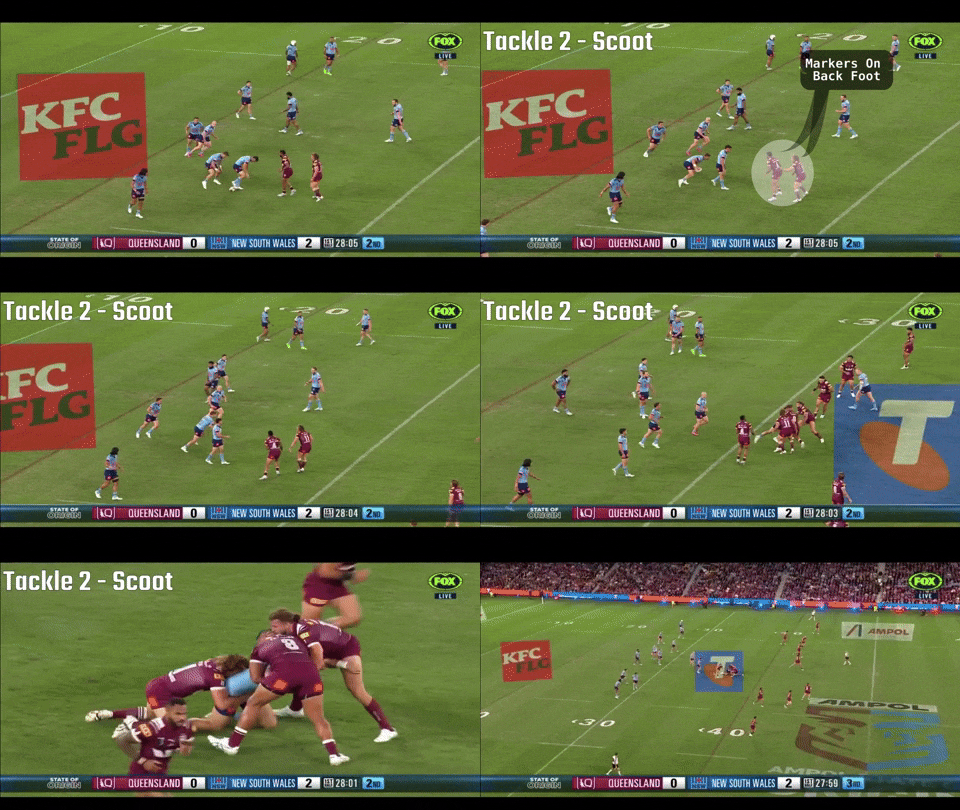
The Blues follow with a third punch straight to the guts. Another scoot from the half beats the first defender from the main line, who is distracted by the decoy runner. This creates the disconnect and gives a weak shoulder the Blues can exploit.
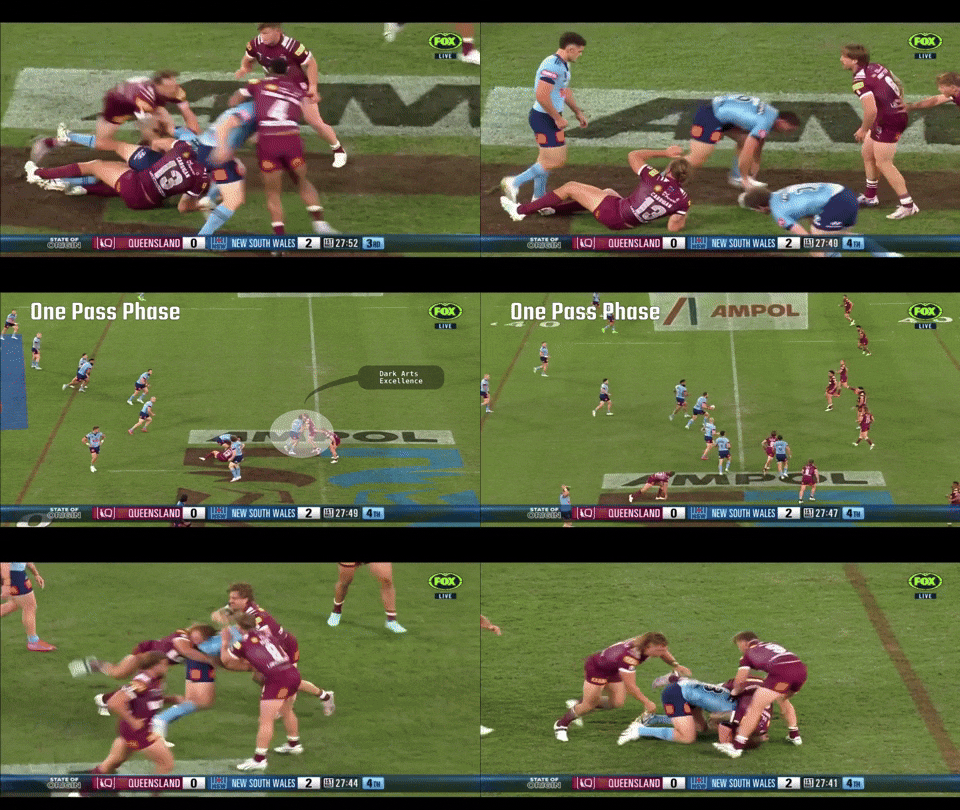
Tackle four sees a variation on the theme, and the carry comes off a single pass before digging back behind the tackle. This is helped by some excellent interference with the markers, which again stops them from recovering to fill this space behind the tackle. Again, Cotter has to cover in the tackle before a marker can recover and assist to finish the job.
While none of these attacks for either the Blues or the Maroons ended in a score. They show a difference in style and approach. The Maroons brought a braver style, aiming to challenge the edges for bigger gains. However, the Blues went for a more typical basis of brawn. Attacking behind the ruck allowed them to roll down the field consistently. The Blues’ dominance in this area led to an additional 105 metres made post-contact compared to the Maroons. While they made an extra 300 metres from the carry alone, admittedly aided by extra possession. This physical dominance laid a platform for an emphatic win in the first game of Origin 2025.
How the Blues Blended Edge Play and Physicality To Score
The ability to exit the deep areas of the field does not always lead to scoring points and winning games. For the Blues, their tries were an example of merging wide strikes with the physical attack explored above.
The first try is a great example of this. The Blues start from a 20-metre ruck just inside their half. High in the tackle count, it seems a scenario unlikely to result in a score. However, a dart into the short side and a quick offload means they get back behind the tackle situation with a big gain of ground. While it’s a slightly more expansive approach from New South Wales, containing two passes, the result is the same, with front-foot ball generated.
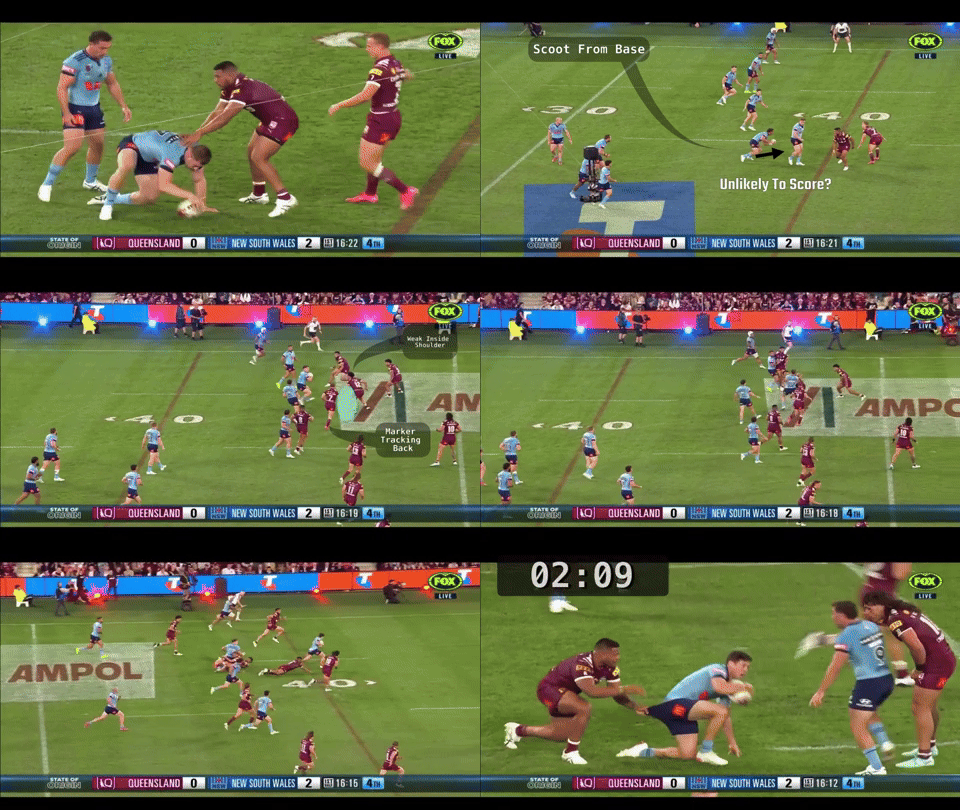
The importance of the offload here can’t be underestimated, keeping the move flowing and crucially only allowing a single tackler contact. This limits the chance for the Maroons to slow the ball. As a result, Queensland lost four players in a 5-metre channel around the play the ball. If we compare this to the actions of Laterell Mitchell shown earlier, the extra second is all-important. Rather than attacking a well-connected defence, New South Wales has a series of individual defenders to beat. While Payne Haas initially digs back into ruck, he is presented with a 1-on-1 contact and can quickly offload. This steals another body, and Cleary can then link with the wider attackers of New South Wales.
Penrith’s Cleary beats three defenders with a quick change of direction before linking with clubmate Dylan Edwards. An early pass gives Crichton all the important time, allowing Crichton to step past Holmes. Crichton angles towards the last Queensland defender, preventing him from detaching. This leaves Lomax unmarked and the try is unstoppable, as the Blues scored the first try of the contest.
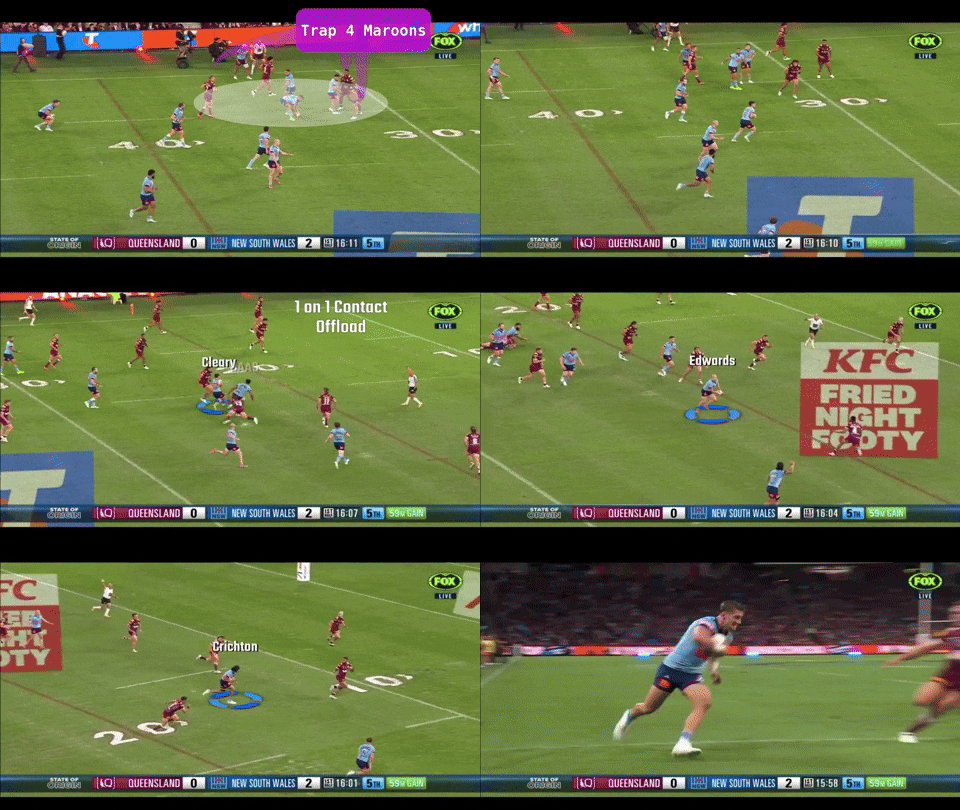
The second score again comes from the basis of physicality. Having marched down the field, the Blues benefit from a call of 6 again, which gives them stability. Haas uses this to reset the attack, driving forward physically. This carry from Haas is quickly followed by a bludgeon from Captain Isaah Yeo. While the carry from Yeo generates a slow ball, New South Wales has managed to organise a double blocker shape to attack the right edge of Queensland’s defence.

A smooth pass from the base allows Cleary to attack the ball and dictate to the defence. This stops the first three defenders from adjusting out instead, they are tied down by the threat of Haas and Cleary’s digging back in. Cleary links well with Moses out the back, creating a four against three for the Blues. The Maroons bite hard, with Cherry-Evans leading the charge. Though they get beaten by the ball and To’o can score in score.
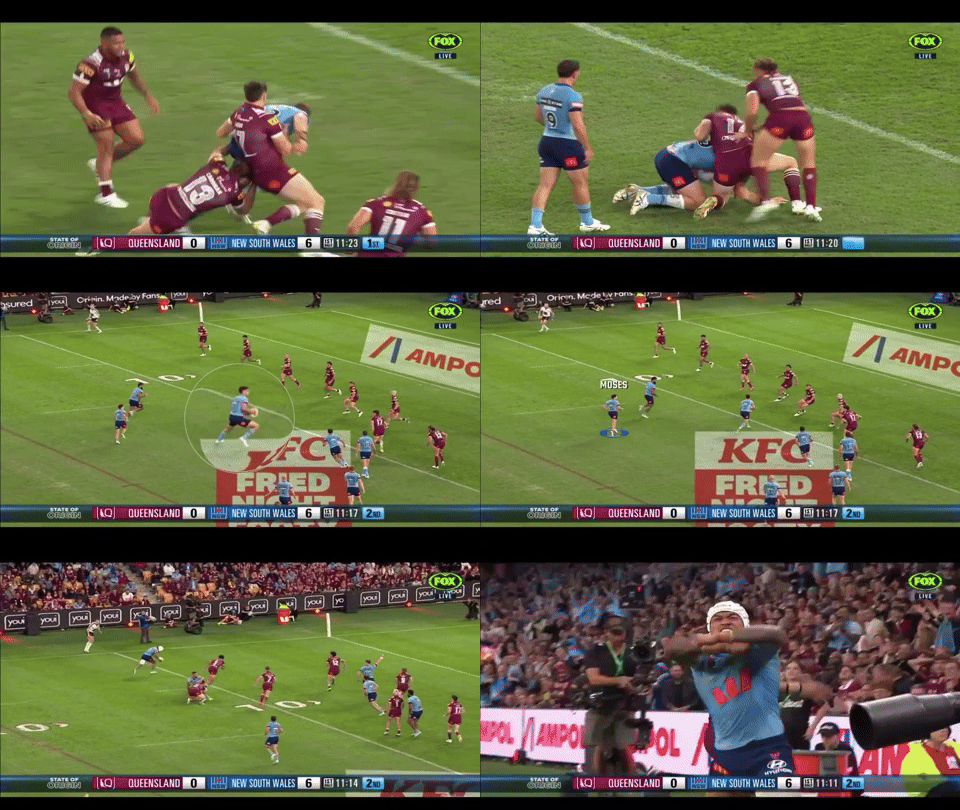
Now this underplays the skills of Latrell Mitchell, whose intervention deserves its own paragraph. Catching and delivering the ball while in mid-air is an incredible feat, only made more stunning with To’o barely breaking stride on collection. The big man’s speed of hand beats the tackle of Coates, leading to the score in the corner. Simply stunning.
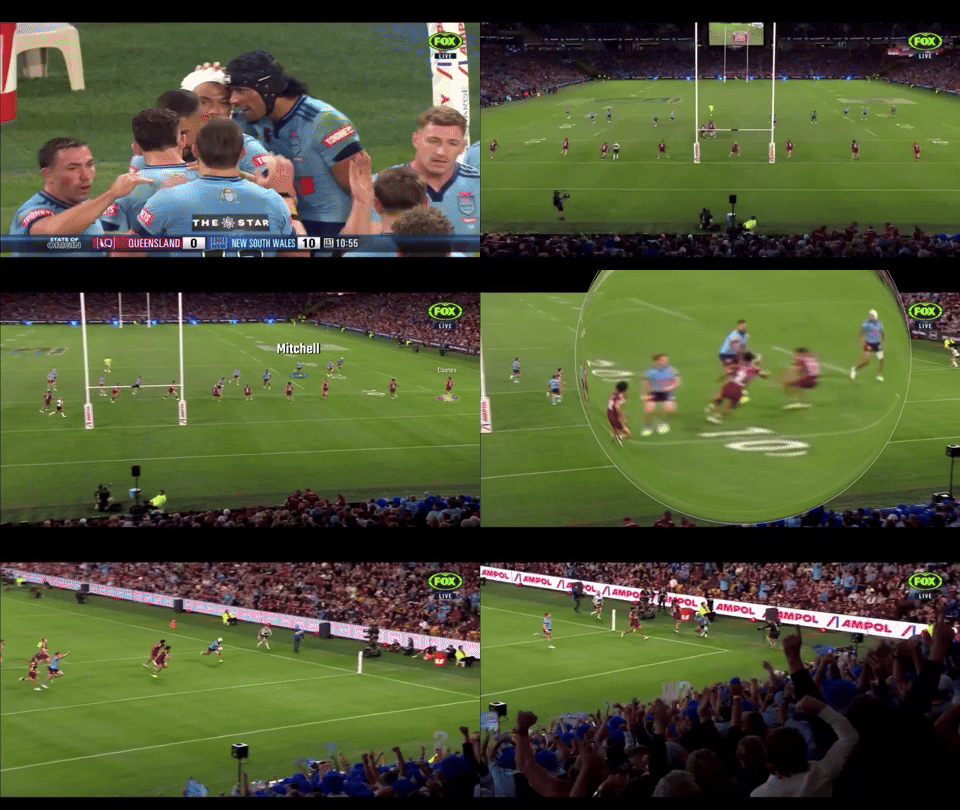
The third try was really a statement of ruthlessness built on a bullying dominance from the Blues. The first came from a half break inside their own half, whilst the second relied on incredible individual skill. On the other hand, the third followed a building of constant pressure underlined by three set restarts, one from a missed intercept and two from penalties.

The final execution involves a cool head from Nathan Cleary again as the first receiver. Working out the back of a lead shape, he can interest the second and third defender, creating a two against one on the edge, which Edwards and Lomax calmly square away.
The block shape is excellently run with Crichton picking a perfect angle to hit the inside shoulder of Queensland’s two-in-defender. The threat that Crichton poses has a big impact, especially given Cleary’s double pump tightening the Maroon defence and allowing Edwards to strike out the back. A very well taken effort that emphasised the Blues’ dominance of the opening game.

The final score sealed the deal as Edwards burst over. The sequence starts with the Maroons on the attack in the forties. Again, they look to play wider as highlighted earlier, however, some exceptional work from the markers closes down this threat. Hudson Young, probably finding life easier than most on an Origin field coming off the bench and with a lead to defend races from the marker and can interrupt the passing lane. This inside pressure forces an error from Cherry-Evans and chips away at Queensland’s hopes of a comeback.
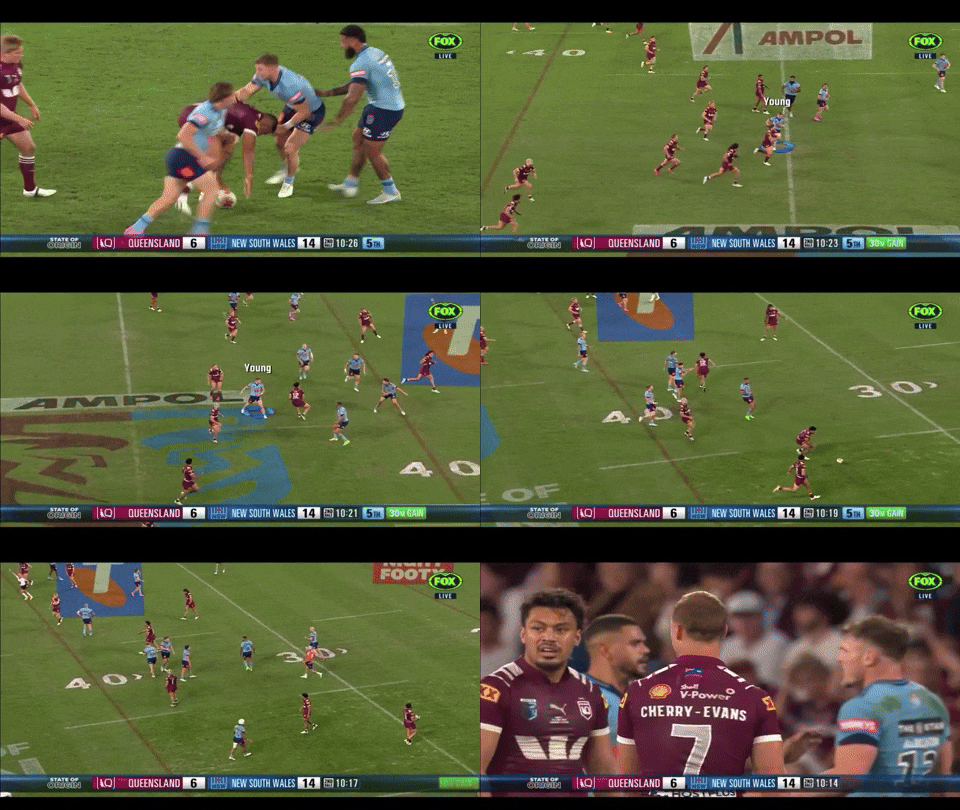
From the following attack, the Blues slowly rolled up the field again using their trademark midfield carries to establish dominance. Instead, they waited for a Liam Martin offload before they sparked just a little. They followed up this phase with Cleary squaring up and attacking back behind the tackle, which took the play into the final 10 metres. They also benefited from a 6 again call, meaning they had time to play with. They kept battering away before another 6 again continued to build pressure.
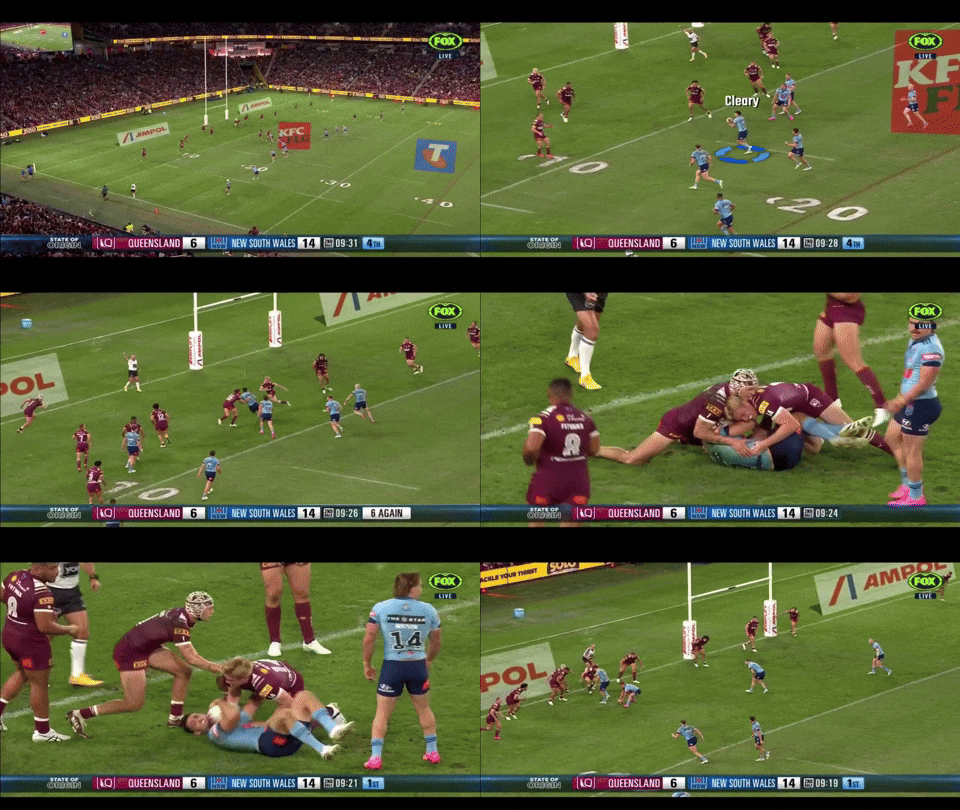
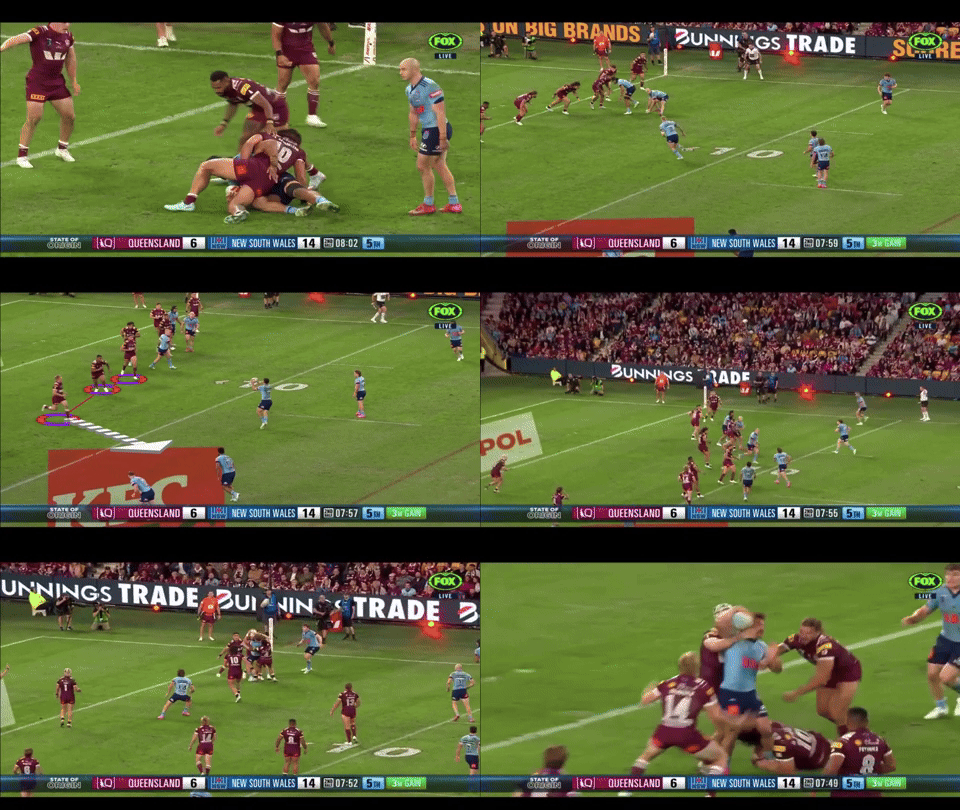
A wide shift allowed Stephen Crichton to carry up to the line, setting a wide play with the ball. Queensland pressure well and stop the ball being shifted wider before they kick back to the old ruck. This speculative effort benefits from some outstanding skill by Lomax to take the ball. While it goes to the floor, the Blues react first before another offload helps Edwards crash over.
How The Game Was Won
State of Origin is always an occasion, and once the formalities of the anthem and a Welcome To Country were out of the way, we were treated to a demonstration of the finest rugby league skill by the Blues. This was underpinned by a physicality exploiting the seam behind the tackle. This, coupled with their higher possession, led to them controlling the game. This laid the groundwork before cool-headed execution saw them score four great tries.
Both teams will have areas to work on ahead of the second game. The Queenslanders will look to get their attack truly firing, with just one try coming against 12 men and from a high turnover. Certainly not the foundations they need to bounce back in Perth. On the other hand, the Blues will look to secure the series relying on their same physical weapons. One area of improvement will come in the kicking department, but if their try scoring allows them to miss as many again, they will be in a good place.
 The Analysis Guy