
Ireland are well positioned for a push for World Glory, currently ranked 1st in the world and with a solid return to the field against Italy this weekend. Their current ranking is driven by an attack averaging 30 points per game, an attack based on an intricate framework looking to move the ball and stretch defences. This approach is supported by an incredibly strong kicking game which allows them to either pin opposition or regain possession in the opposition’s half. They have the tools to make a run for World Cup glory, even if they are on the difficult side of the draw.
Andy Farrell’s Tool Box – The Irish Attack
Let’s start with the attack that Andy Farrell hopes can propel his side to World Cup glory. The data behind the attack gives a clear indication of Ireland’s approach, with the team in green averaging more rucks than 90% of professional teams as they look to keep the ball.
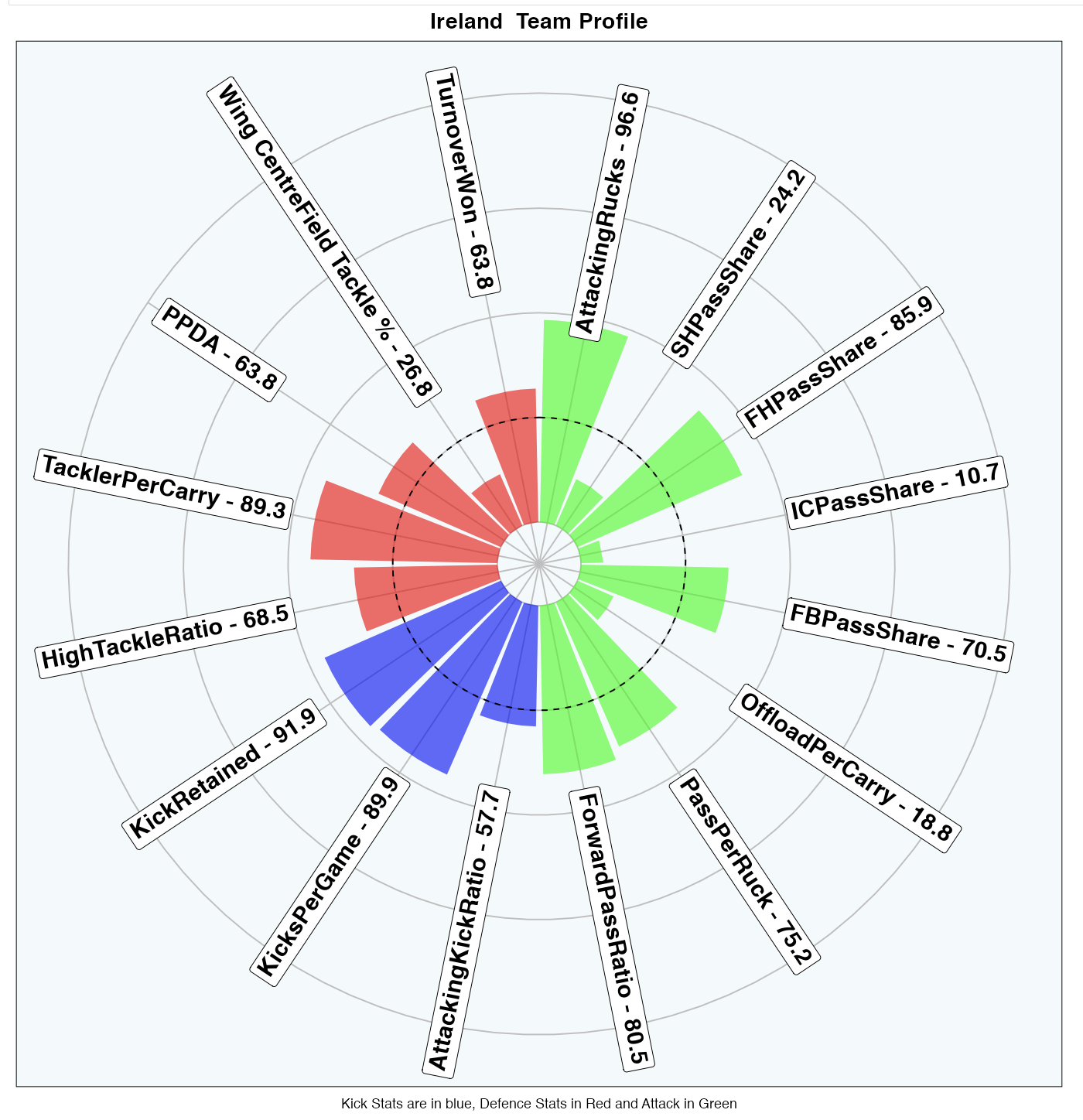
As you can see in the radar Ireland also play a huge amount off 10 and ask their forwards to shift the ball. Take this second phase against England as they look to apply the stretch. Launching from a lineout Ireland have spread the ball to a midfield ruck and then play around the corner with this well designed play.
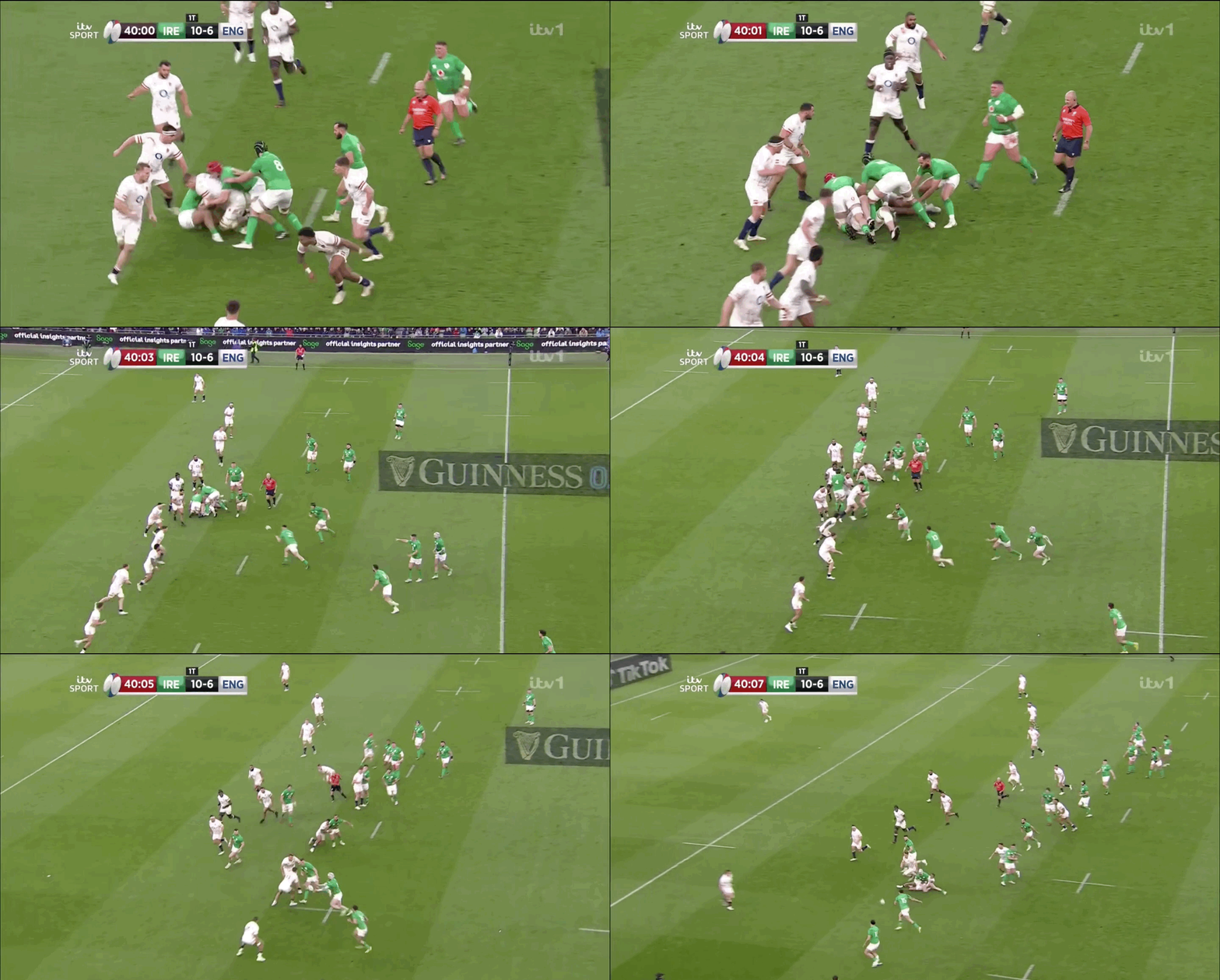
Jamison Gibson Park passes the ball to Dan Sheehan who angles back towards the ruck and then flips the ball back towards the looping Gibson Park. This means that Ireland are attacking against a narrowed England defence. Hansen is not able to offload cleanly but it shows how the connections between forwards and backs help Ireland manipulate the defence.
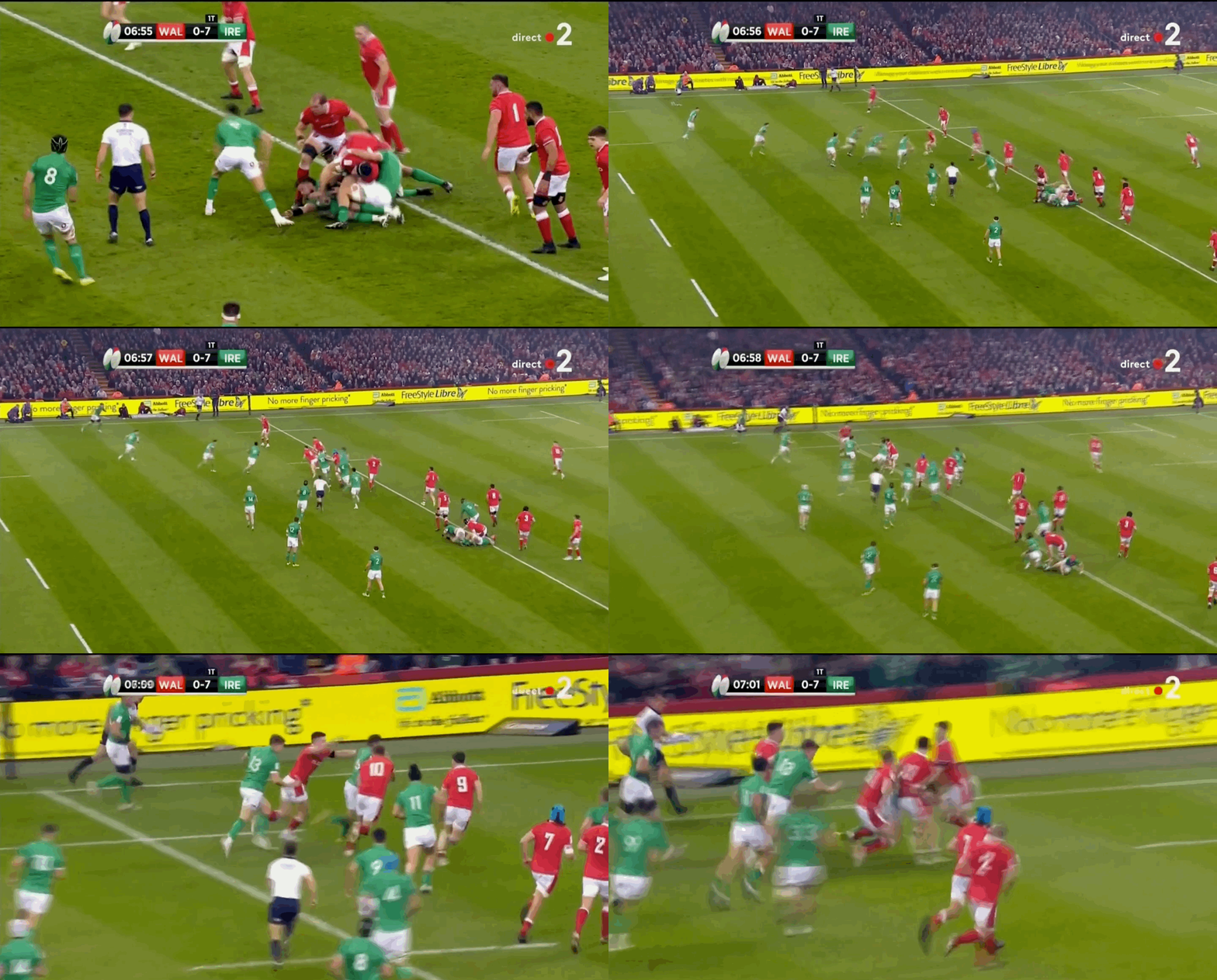
These two phases against Wales are great examples of this. First this shoulder ball from Sexton avoiding a shooting Welsh defender and followed by Sheehan carrying well and beating the first tackler, this generates Ireland quick ball.
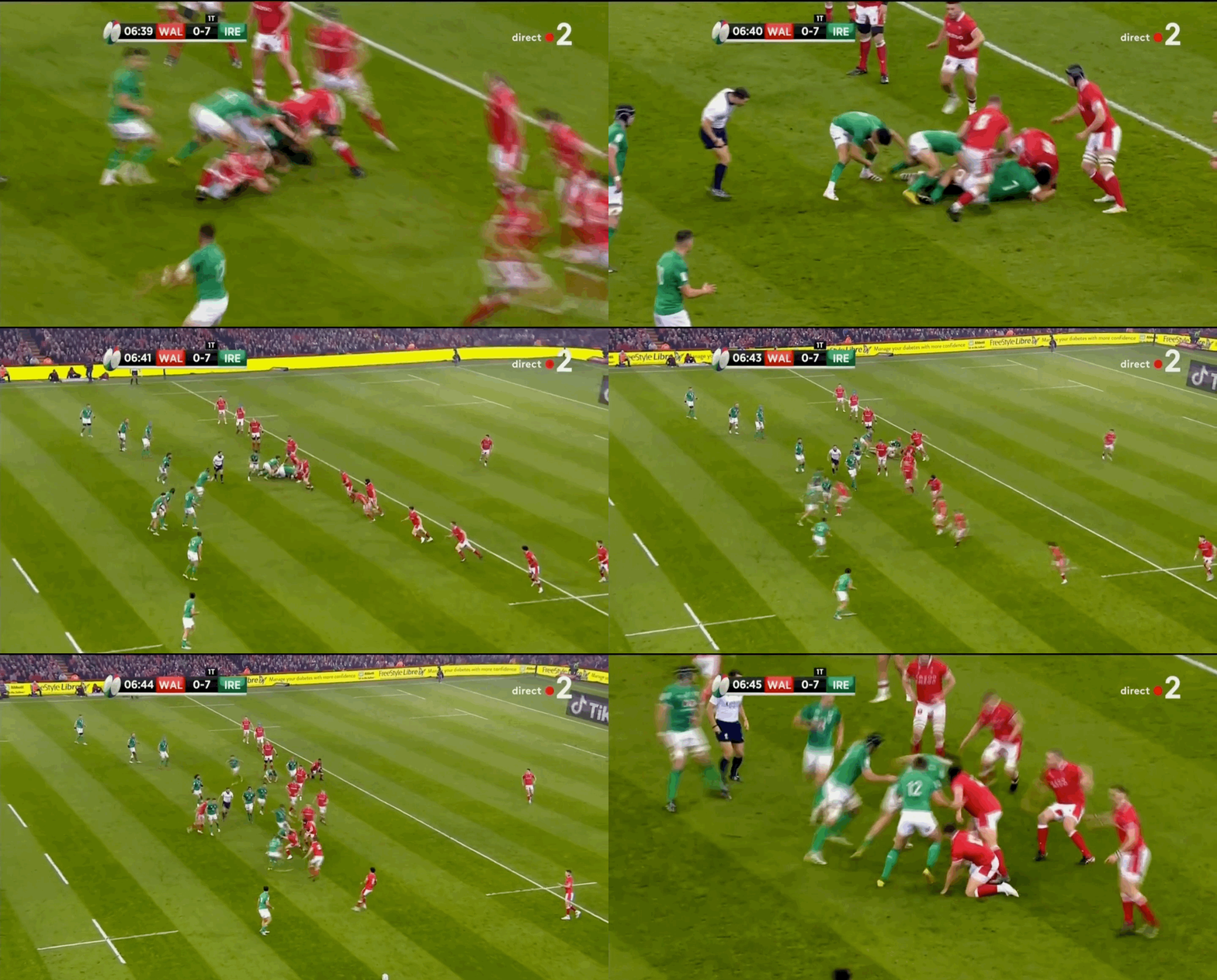
The subsequent phase uses a strong carry from Andrew Porter to generate more quick ball. Following this Ireland played the same way and Sexton attacked the line. The shape used this time sees two forwards on Sexton’s shoulder and he drifts over runner 1 before firing a tunnel ball behind to James Lowe.
Filling The Field: Ireland’s Use of the Blindside Attack
One of the most fascinating weapons utilised by the Irish is their blindside attack. We can see how Ireland exposed the short side in two of their tries from last year – first Hugo Keenan’s effort versus the All Blacks and then Dan Sheehan’s against England to secure the Grand Slam.
Hugo Keenan’s effort begins from a wide lineout launch with Ireland using great intricacy and handling to find the edge of the New Zealand defence. The maul release used by Ireland uses a stack helping to hide their intent with Bundee Aki positioned so he can either carry, tip or flip the ball behind to Sexton.
The hard lines help pin the New Zealand defence and allow them to reach the full width. It also means the far 15m channel contains the entire back three with Hansen and Keenan securing the ruck from Lowe’s carry.
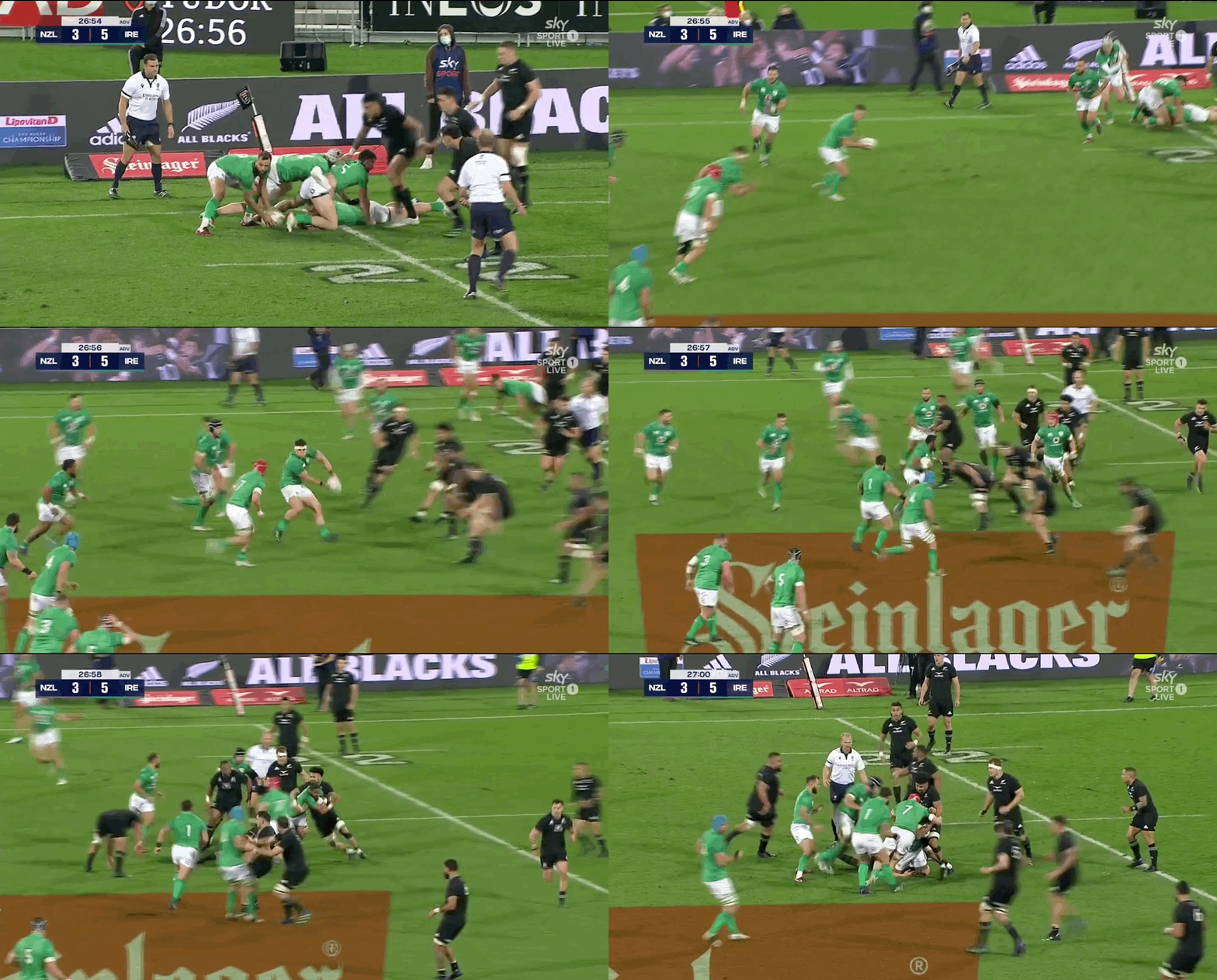
The return play is typically Irish with a hard and pod of three forwards sitting tight to Sexton with a second pod positioned outside Bundee Aki. Aki instead steps back inside and carries. The carry beats the first tackle attempt, keeping momentum in the Irish attack.
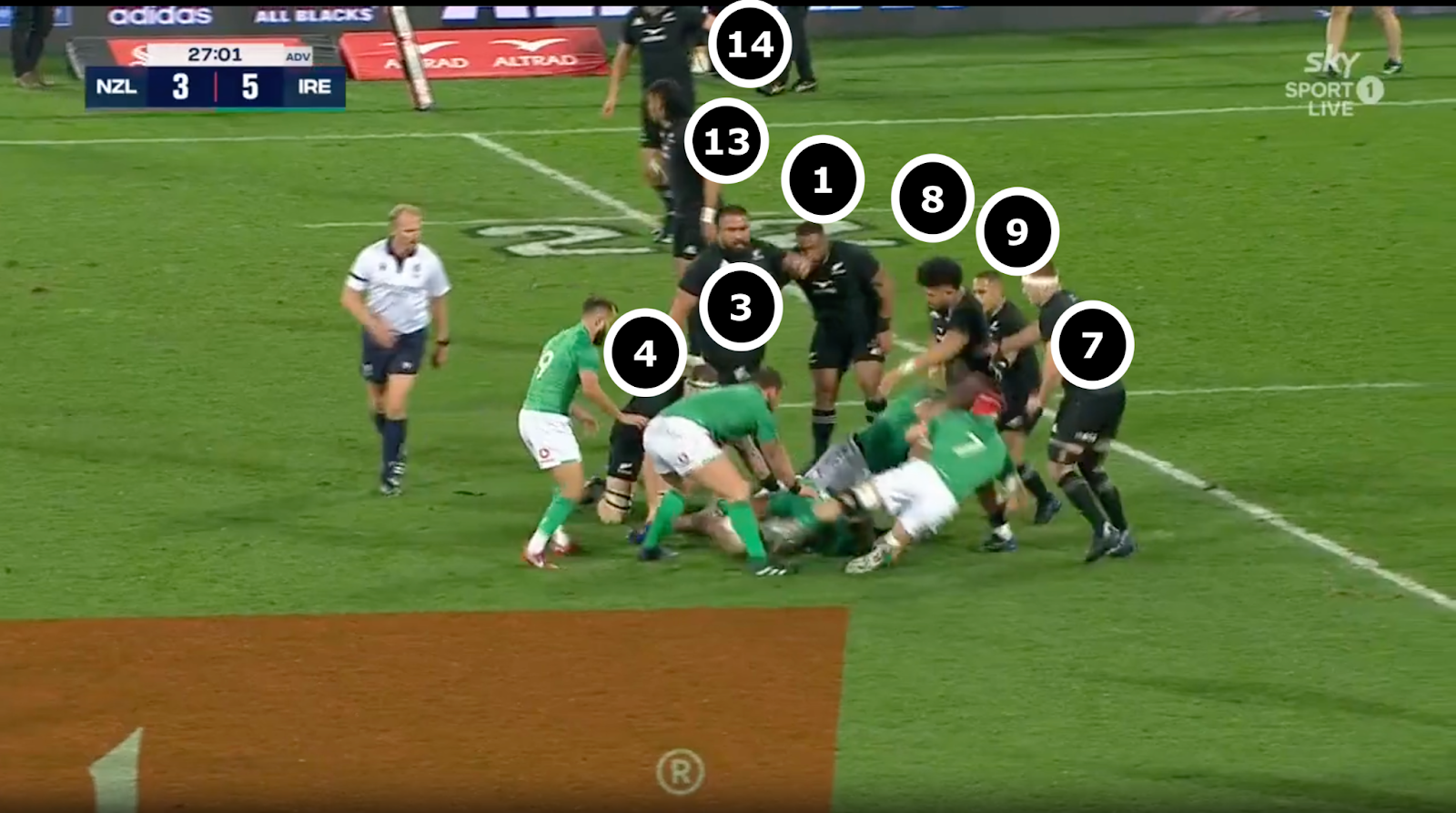
The speed and momentum in the Irish attack has created an overload in the 15m channel. New Zealand have their 1/3/4/7/8 and 9 all within arms reach of the ruck. This restricts their width completely and means Ireland have a 3 on 2 chance down the 15m channel.
It is important to note how crucial Gibson Park’s delivery here is. The 9 fires a pass quickly to Mack Hansen before New Zealand have a chance to reorganise. Mack Hansen then has time to catch and attract Ioane before making a skip pass to James Lowe. The skip pass beats the New Zealand winger and James Lowe breaks the line. Hugo Keenan does well to flood through in support and score Ireland’s second.
The second example of this rewind capability comes from their Grand Slam game versus England. Dan Sheenan’s 67th minute try showed how Ireland will repeatedly look to the short side and are also more than happy to use the 5m try to stretch sides.
The maul release this time is a little more difficult and Ireland take a phase to settle with a pod crashing into the England defence. The breakdown work is good especially from inside clear Ryan Baird (4). This means the ball is presented quickly and allows Gibson Park to fire a skip pass straight to Mack Hansen. Hansen fixes David Ribbans and frees Sheehan down the tramlines, getting Ireland onto the front foot.
The next phase sees Ryan Baird back to his feet and carrying hard. Again work from the ruck clearers is good and keeps the breakdown nuisance free. England paver fold which means when Ireland’s carriers reload they have an overlap on the blindside. Gibson Park then finds Hansen who has plenty of time with England on the back foot. The winger takes three steps starting square before delivering the pass to Conan. Good hands from Conan then allows Dan Sheehan to slide into the corner.
Ireland’s blindside attack enables them to threaten across the entire width of the pitch. Enabled by the work rate of their players, in both these examples players were involved seconds before, then returned to their feet and were ready to attack before the defence who weren’t able to react.
Ireland’s Approach to Control: The Kicking Game
However a world title charge isn’t built on just one weapon and Ireland will look to present a wide array of threats. Farrell’s charges also bring a strong kicking game making more kicks than 89% of teams in the professional game while also retaining more kicks than 90% of teams.
This is a nice example from the Six Nations game against Scotland. Ireland have Mack Hansen arcing behind the ruck to come onto the blindside on the chase and compete for the ball. Box Kicks into the 22 aren’t a frequent weapon but show the range of options this Ireland side bring to the table.
One other kicking weapon the Irish used to regain the ball was 50/22s. No other international side has kicked as many (7), 50/22s as Ireland. Andrew Conways two against England in 2022 were a great example of how Ireland used the new rules to punish an opponent’s loose kicking.
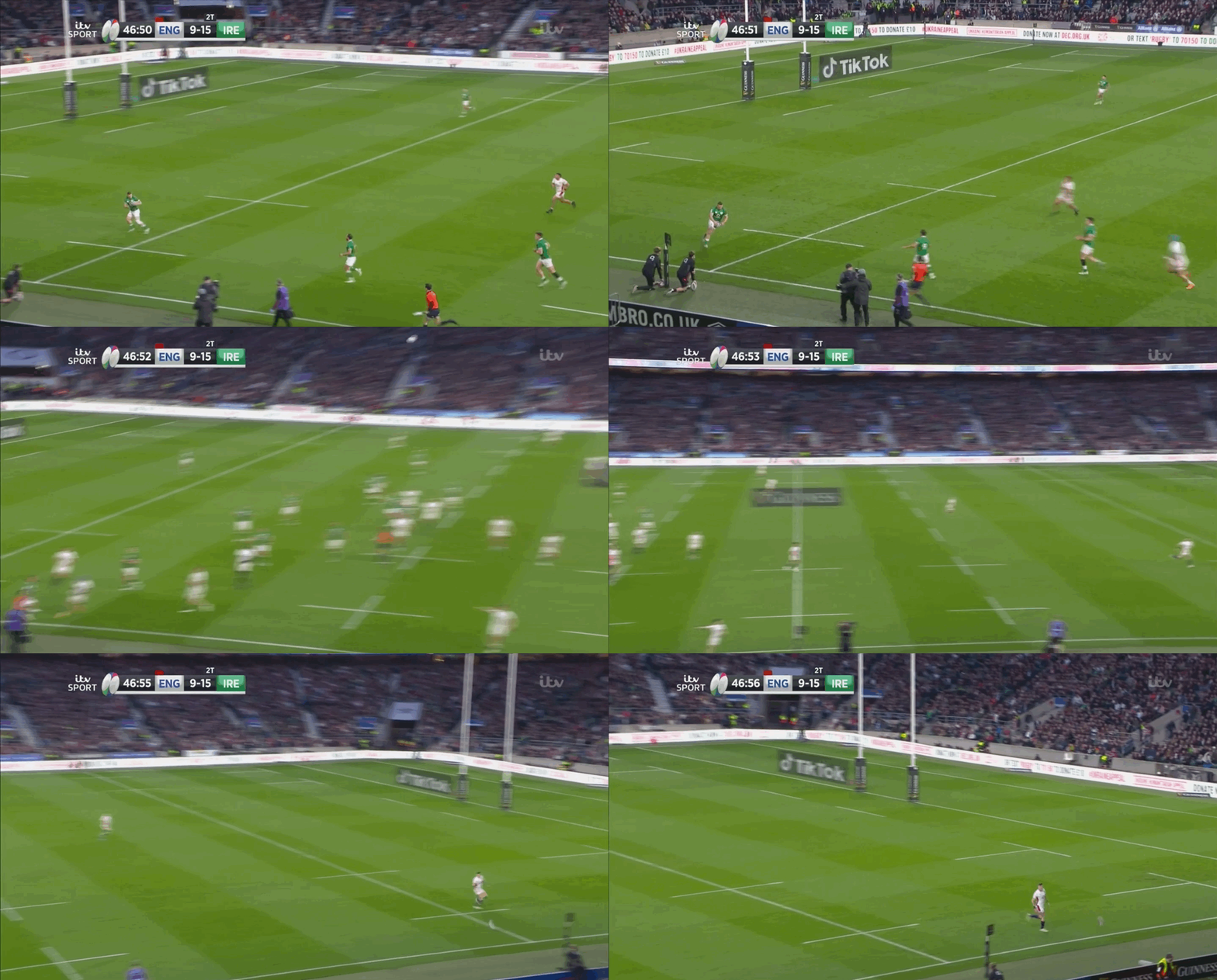
Ireland typically make these kicks early in the phase count, 5 of their 7 happened on the first phase of attack while the other 2 happened on the third phase. By kicking to the tramline on transition the Irish bring the 50/22 into play. The transition nature of the 50/22 is also shown by the positions who have made the 50/22 with 3 being made by forwards.

Now obviously there is a great deal of luck in their 50/22 return but their willingness to kick on transition can help Ireland gain the upper hand. For example following the Peter O’Mahony 50/22 they lost the lineout but won a penalty inside the New Zealand 22 and were able to increase their lead beyond 2 converted tries.
A First Semi Final?
No-one in the Ireland camp will want to be getting ahead of themselves just yet. While in a difficult pool with Scotland and South Africa, Ireland should progress. Yet awaiting them will be either an All Black side who have been going from strength to strength or a French side playing at home. The path to making history won’t be easy for Ireland but a first semi final will be the target. Driving them towards this goal is an attack driven by great interplay and cohesion across the XV, and a strong work rate which enables their blindside attack. While their kicking game is driven by an ability to regain possession while not overlooking the territory battle helping them pin their opposition. The Irish will be a difficult side to beat for any side with a range of tools and experience which could propel them to a first semi final.
 The Analysis Guy